Turning Back the Tide: The Complete Guide to Property Restoration in New Jersey
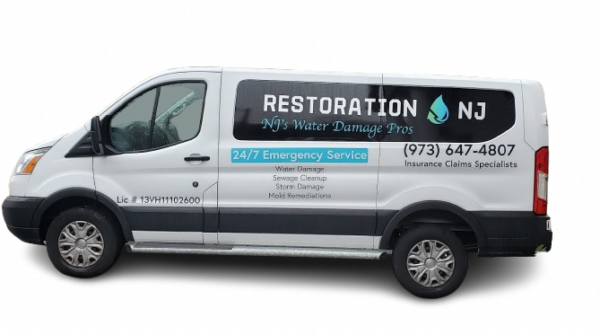
Dealing with unexpected property damage can feel completely overwhelming. Whether it is a burst pipe in the middle of winter, a flash flood from a summer storm, or smoke damage from a kitchen fire, the stress of seeing your home or business compromised is taxing.
In New Jersey, property owners face a unique mix of challenges—from harsh coastal weather along the shore to aging infrastructure and older housing stock in historical northern suburbs. When disaster strikes, standard home improvement isn't enough; you need specialized property restoration.
Here is a comprehensive breakdown of how professional restoration works in New Jersey, what to look for, and how the process unfolds to return your property to pre-loss condition.
The Core Types of Restoration Services
Property restoration is a highly regulated, deeply technical field. It is divided into specific categories based on the type of damage:
1. Water Damage Restoration & Structural Drying
Water is the most common cause of property damage. Whether from a plumbing failure or a coastal storm, water destroys drywall, warps flooring, and weakens support beams.
According to the IICRC S500 Standard (the global benchmark for water restoration), mold and microbial growth can initiate within 24 to 48 hours of moisture intrusion.
Professional teams use industrial water extractors, air movers, and heavy-duty dehumidifiers to pull moisture out of hidden cavities before mold can take hold.
2. Fire and Smoke Mitigation
Fire damage leaves behind structural weaknesses, but the secondary damage from soot and smoke can be even more destructive. Soot is highly acidic and will permanently discolor plastics, metal fixtures, and stone if left untreated. Restoration experts use specialized chemical sponges, air scrubbers with HEPA and charcoal filters, and thermal fogging to neutralize deep-seated smoke odors.
3. Mold Remediation
New Jersey's humid summers make mold a persistent issue. True mold remediation goes beyond scrubbing visible spots. It involves creating physical containment barriers using heavy plastic sheeting, maintaining negative air pressure so spores don't spread to clean rooms, and safely removing heavily contaminated porous materials.
4. Storm and Wind Cleanup
From severe winter nor'easters to tropical systems tracking up the Atlantic coast, New Jersey gets hit with powerful weather. This service focuses on rapid structural stabilization—such as boarding up shattered windows and tarping compromised roofs—to prevent secondary rain damage.
The Standard Property Restoration Process
When a reputable New Jersey restoration company arrives, they follow a strict, multi-step sequence to safely manage the emergency.
Navigating the New Jersey Regulatory Landscape
New Jersey has some of the strictest consumer protection and environmental laws in the country. When choosing a professional team, ensure they comply with these essential local standards:
-
NJDCA Registration: Any company performing residential reconstruction in NJ must hold a valid Home Improvement Contractor (HIC) registration through the New Jersey Department of Consumer Affairs.
-
Property Age Standards: If your building was built before 1978, the restoration crew must follow federal EPA Lead RRP (Renovation, Repair, and Painting) rules to ensure lead dust isn't thrown into the air during demolition.
-
Asbestos Regulations: Older properties in areas like Essex, Hudson, or Union counties often contain asbestos in pipe insulation or old floor tiles. If disturbed, mitigation must follow strict NJDEP and OSHA guidelines.
Insurance and Direct Billing
Most major property losses are covered by standard homeowners or commercial insurance policies. Top restoration companies in the state generally simplify this stressful process by billing the insurance company directly.
They utilize an industry-standard estimating software called Xactimate, which calculates labor and material costs using real-time local market rates in New Jersey. This ensures your insurance adjuster and the restoration team are using the exact same pricing model, which drastically speeds up claim approvals.


Comments
Post a Comment